

The Truth Behind 71% Essences: Why High-Proof Concentrates Make Sense
The Truth Behind 71% Essences is not a provocative marketing line. It is a practical statement about how aroma, extraction and dosage work in concentrated spirit products. When someone hears The Truth Behind 71% Essences, they often picture dangerous, bathtub-strength alcohol meant for hard drinking. The reality is different: these essences are built like perfume distillates, designed to deliver intense aroma in tiny, measured amounts. The Truth Behind 71% Essences explains why 71 percent alcohol by volume is used, how to approach tasting and dilution, and why a single centiliter can provide far more sensory impact than a standard 35 or 43 percent bottle.
What are essences and how do they differ from classic distillates?
Essences are concentrated spirit extracts that capture the volatile aromatic compounds of a fruit, herb or botanical in a higher-proof medium. The Truth Behind 71% Essences begins with this simple fact: many essences use the same ingredients and the same distillate techniques as perfume-style distillates. That means the goal is aroma extraction and conservation rather than producing a ready-to-drink bottling at 40 to 45 percent.
While a classic distillate — think a Williams pear brandy at 43 percent — is blended for immediate consumption and balance, an essence is concentrated to retain the purest, most vivid aromatic components. At 71 percent alcohol, the solvent power for aroma molecules is stronger. That solvent power traps and carries more of the volatile compounds responsible for fragrance, flavor and the perception of depth.

Why 71 percent? The chemistry of aroma and alcohol
Alcohol is not just fuel for burning off — it is the carrier of aroma. Many aromatic molecules are more soluble in ethanol than in water. By increasing the ethanol fraction to 71 percent, producers boost the solubility and stability of delicate volatile compounds. This yields a concentrate that is richer, more expressive, and more faithful to the original raw material.
Explaining The Truth Behind 71% Essences requires a short, practical comparison: an apple cask-strength product at 57 percent is powerful, but a true essence at 71 percent will present a different class of intensity. The higher proof does not exist to shock the palate; it exists to preserve and deliver an explosion of aroma in a very small serving.
Solubility and volatility
Some aroma compounds evaporate quickly and are easily lost during processing. Others cling to alcohol molecules and are best preserved in a higher ethanol environment. By choosing 71 percent, producers can capture those fleeting notes and keep them stable until the moment of tasting. When diluted into a sip, these concentrated compounds re-emit their aromatics and create a perception of greater fruitiness, spice, or floral character than a diluted 43 percent spirit might.
Dosage matters: why quantity, not just strength, determines experience
Resistance to The Truth Behind 71% Essences usually centers on the question: who would drink 71 percent? The answer is nobody in the sense of taking a shot. The intent is to use very small amounts. Dosage is everything.
- One centiliter rule: A single 1 cl (10 ml) pour of a 71 percent essence onto the palate and palate surfaces can be enough to create an immediate, intense aroma burst.
- Two centiliters and beyond: Adding more will change the perceived alcohol and aroma balance, but two cl of a 71 percent product is still far more concentrated than a typical 35 percent pour.
- Effective strength: When you sip a 1 cl measure, the ethanol content is not experienced as overpowering because the aromatic concentration and rapid aroma release dominate the perception.
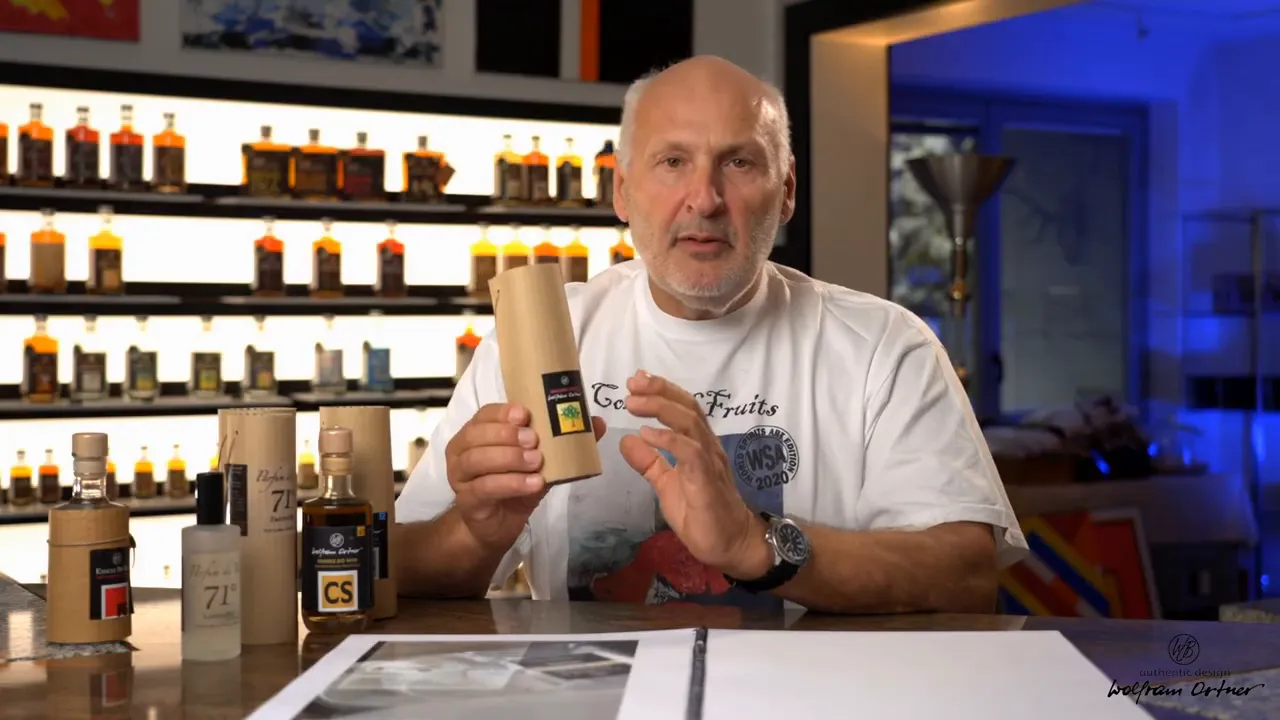
To really understand The Truth Behind 71% Essences, think like a perfumer: a drop or a centiliter holds a powerful perfume of fruit and botanical intensity. It is meant to be integrated into a glass, diluted with water, sipped, or added to a cocktail to deliver a specific aromatic lift.
Comparing a classic distillate to the essence: Williams 43% vs. Williams Essence 71%
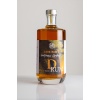
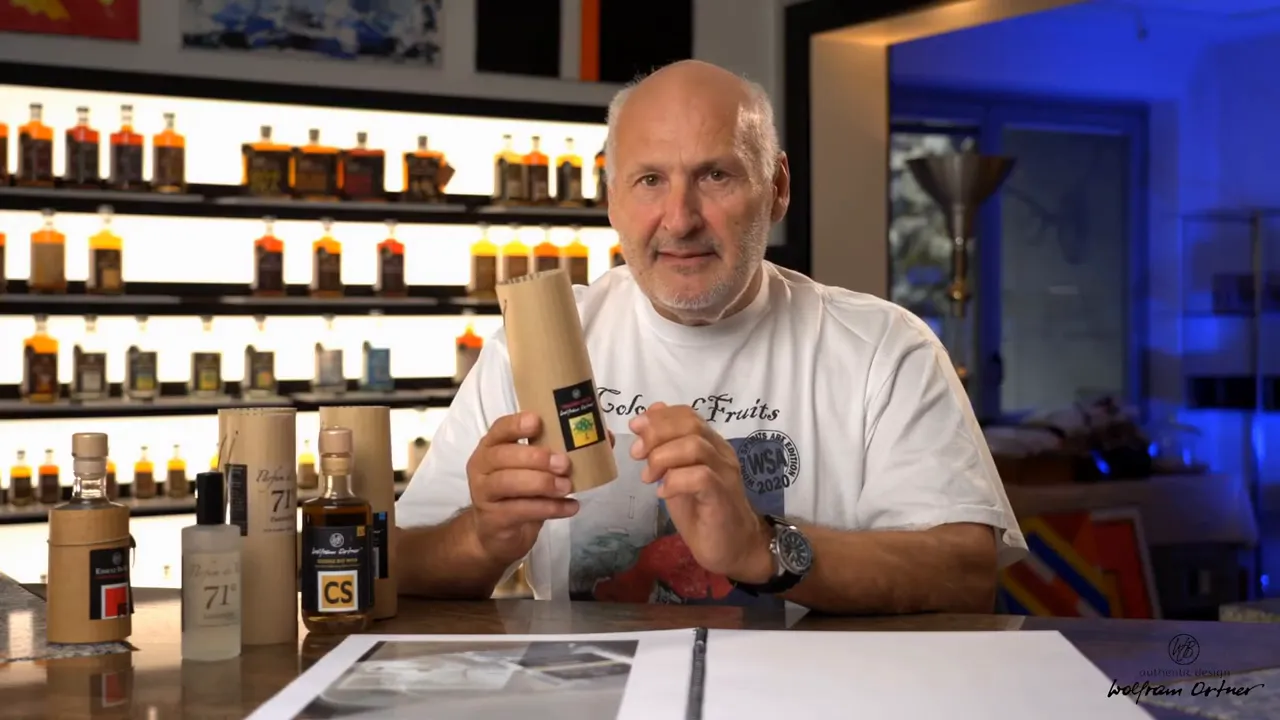
A direct comparison makes The Truth Behind 71% Essences tangible. Take a Williams pear distillate bottled at 43 percent. It is balanced, rounded and immediately drinkable. It expresses pear notes, sweetness, and the distillate’s maturation character. Now compare it to a Williams essence at 71 percent. The essence will be significantly more intense in aroma and depth. The pear aroma registers not just louder but with greater tonal clarity.
That intensity is why the essence is not a replacement for the classic bottle. It is a different tool. Where the 43 percent distillate is a full drink, the 71 percent essence is an ingredient for sensory enhancement. Sipping the essence as a tiny measure or adding a measured dash to a glass of water or to a cocktail delivers those pear explosions in the mouth that few full-strength bottles can match.
Tasting techniques for maximum enjoyment
Understanding The Truth Behind 71% Essences requires changing the way one tastes spirits. The essence demands respect and a technique suited to concentrated aroma.
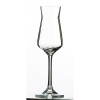
- Prepare a clean glass: Use a small tulip or tasting glass so the aromas focus toward the nose.
- Measure precisely: One centiliter is a common recommendation. This tiny dose is enough to wet the tongue and palate and trigger the aromatic burst.
- Water is your friend: Drink a glass of water alongside the sip. The water resets the palate and allows the aromatics to emerge more clearly.
- Sip slowly: Do not shoot. Take the measured essence, let it coat the mouth, exhale gently through the nose to engage retronasal aroma, and experience the succession of notes.
- Optional dilution: If 71 percent feels too strong initially, add small amounts of water to the measure. Dilute until the aromatic profile opens rather than collapses.
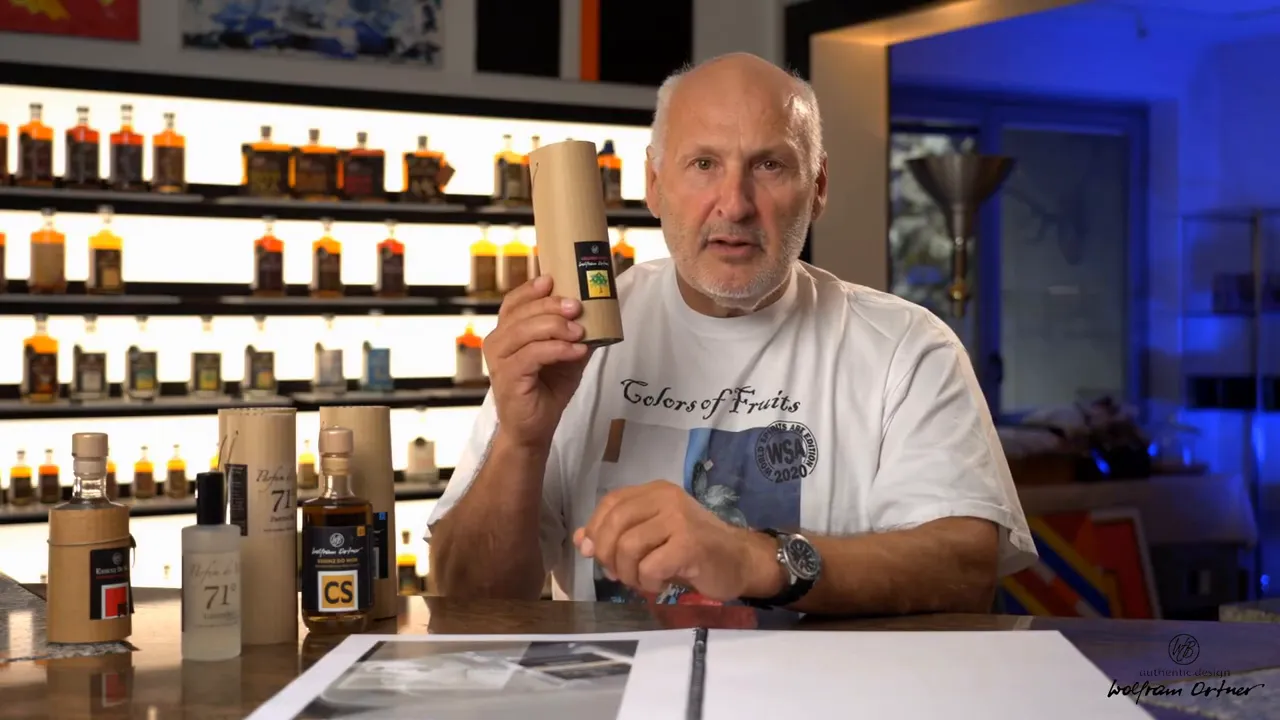
These steps highlight The Truth Behind 71% Essences: it is less about brute ethanol and more about controlled release of intense sensory information.
Practical uses beyond sipping
Essences at 71 percent unlock applications that standard bottles cannot. Because of their concentration, they can be used in culinary settings, mixology, and sensory training. A small dash in a cocktail provides a targeted lift of fruit or floral notes without adding significant volume. In a dessert course, a few drops can accentuate fruit compotes or creams. For educational tastings, essences offer a clear example of varietal character in concentrated form.
- Cocktails: Use essences for aroma correction or accentuation. A 0.2 to 0.5 cl addition can change the entire aromatic fingerprint of a drink.
- Pairing and food: Carefully measured essences can be used to flavor syrups, sauces, or to finish plated desserts.
- Training: Sensory professionals and enthusiasts can use essences to isolate and study specific aroma families.
Safety, labeling and consumer guidance
Claims about The Truth Behind 71% Essences also include responsible use. High-proof products must be clearly labeled and sold with instructions. Producers should recommend dosage, show sample tasting protocols and remind consumers that these are concentrates not meant for casual shots.
When handled correctly, essences are safe and versatile. When approached incorrectly, any high-proof liquid can be risky. Clear communication from producers and education for consumers ensures essences are used for their intended purpose: to intensify aroma and flavor in small, controlled amounts.
Common misconceptions addressed
Several misunderstandings surround the use of concentrated, high-proof essences. The Truth Behind 71% Essences answers the most common points:
- "It is just strong alcohol": Strength alone does not define the experience. The essence contains concentrated volatile compounds that dominate perception.
- "It must be drunk like a spirit": Essences are dosing products. They are designed to be measured and integrated, not consumed as standalone shots.
- "Dilution ruins the flavor": Controlled dilution often reveals more nuance. Water can unlock secondary aromas and soften alcohol bite, making the essence more expressive.
Where to find essences and what to look for
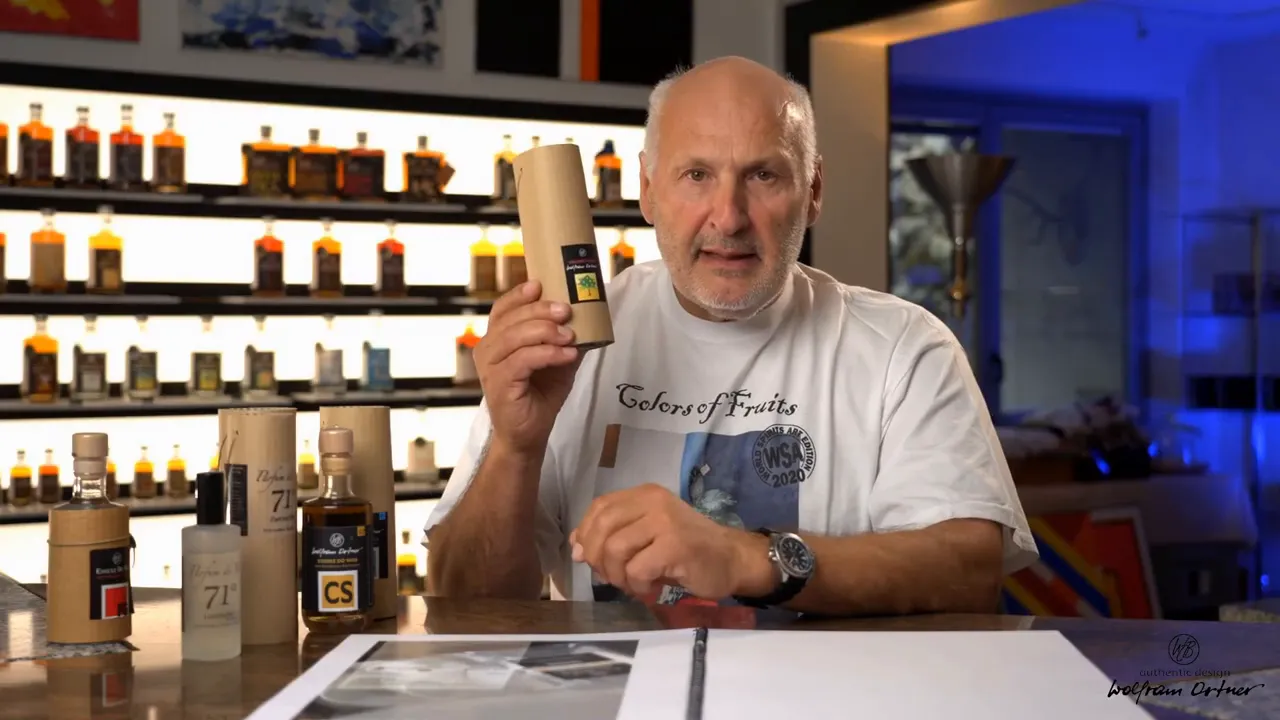
Not all essences are created equal. The Truth Behind 71% Essences suggests looking for producers who provide transparent information about raw materials, proof, and recommended dosages. A reputable maker will indicate whether the product follows perfume-distillate methods and will offer tasting guidance.
Small-batch makers who treat essences as sensory tools rather than off-label spirits typically include practical advice on packaging and use. Look for clearly marked centiliter measures, tasting cards, and recipe suggestions that show the product’s intended function.
Conclusion: reframing expectations around concentrated spirits
The Truth Behind 71% Essences reframes the conversation from fear of high proof to appreciation of purpose. These products are not about showing how much alcohol can be bottled. They are about preserving and delivering extraordinary aromatic intensity in small, precise quantities. When approached with the right mindset — accurate dosing, proper glassware, a sip of water, and slow tasting — the 71 percent essence becomes a powerful sensory tool.
For anyone curious about fruit essences or perfumed distillates, the takeaway is simple: judge by intent. The essence is an ingredient. The classic distillate is the drink. Together they expand the sensory possibilities of modern spirits.
Top Seller
Sesorisches Wissen Kompakt - IWS.TV Fibel

WOBart: PICTUREbook XX25