

Apple Brandy Aged Over 30 Years: WOB Venti Anni – Vintage Soloists Since 1993 | WOB Story Act 21
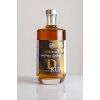
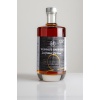
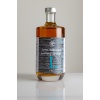
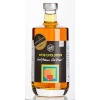
An apple brandy with more than three decades of history? What sounds extraordinary today began at WOB back in 1993. In Act 21 of the WOB Story, Wolfram Ortner introduces his remarkable “Soloists”: WOB Venti Anni, vintage apple distillates matured in wooden barrels for at least 20 years. The oldest vintages date back to 1993.
An apple is a fleeting fruit. Its aromas depend on the variety, harvest conditions, processing and distillation. But what happens when an apple distillate is given not just a few years, but decades to develop?
The answer is WOB Venti Anni.
These exceptional vintage apple distillates tell the story of individual harvest years, carefully selected apple varieties, different types of wood and the remarkable influence of time.
Each vintage has its own character. Each has its own voice.
1. Venti Anni – Twenty Years as a Starting Point
The name Venti Anni comes from Italian and means “twenty years”.
At WOB, it represents an extraordinary collection of apple distillates matured in wooden barrels for at least two decades.
But time has continued to pass.
The oldest vintages date back to 1993, meaning that these spirits now represent more than 30 years of distilling history.
What began as a concept based on 20 years of maturation has developed into a remarkable collection of historic vintage spirits.
WOB Venti Anni is the meeting point of apple, wood, vintage and time.
2. The Vintage Soloists: A Story Beginning in 1993
Why does Wolfram Ortner call these spirits “Soloists”?
Because each vintage stands on its own.
Unlike a blend combining different production years, the Soloists preserve the identity of a particular vintage.
The apple harvest season extends from September to the end of October. During this period, different apple varieties are purchased, processed and combined.
The resulting distillates are then placed into barrels made from different types of wood.
Over the years, each vintage develops its individual aromatic personality.
The oldest Soloists date back to 1993.
3. Why Apple Varieties Make the Difference
In 1993 and 1994, the first vintages were created using just three or four apple varieties.
As the years passed, more varieties were added.
Each apple variety contributes different aromatic characteristics. Some provide freshness and fruitiness, while others contribute acidity, structure or distinctive aromatic nuances.
By combining an increasing number of varieties, Wolfram Ortner expanded the aromatic possibilities of his distillates.
He describes this development using a musical metaphor: the Soloists should become “more and more powerful in voice.”
It is a fitting comparison.
The individual apple varieties are like different voices in an orchestra. Together, they create a composition that continues to evolve during maturation in wood.
4. Apple and Wood – The Art of Long Maturation
An apple distillate matured in wood is much more than a spirit with oak-like aromas.
During maturation, several important processes may take place:
-
Aromatic development: Fruit aromas interact with compounds extracted from the wood.
-
Oxidative maturation: Controlled contact with oxygen can influence the development of aromas.
-
Structural evolution: Alcohol, wood-derived compounds and the original distillate gradually interact.
-
Increasing complexity: Existing aromas change, while new sensory impressions may emerge.
However, a long maturation period alone does not guarantee outstanding quality.
The original distillate, the choice of barrel, storage conditions and the balance between fruit and wood all play essential roles.
The aim of WOB Venti Anni is not simply to cover apple aromas with wood, but to develop a distinctive personality through their interaction.
5. Vintage Blends, Seasonal Blends and Soloists
In Act 21, Wolfram Ortner explains different approaches to composing apple distillates.
Vintage Blends
A vintage blend combines different distillates or apple varieties from a particular production year.
The objective is to create a harmonious composition that reflects that vintage.
Seasonal Blends
A seasonal blend brings together components produced throughout the apple harvest season, from September to late October.
Different apple varieties and harvest periods contribute to the final composition.
Vintage Soloists
A Soloist preserves the identity of a single vintage.
Its distinctive character develops through the interaction of the original apple composition and prolonged maturation in wooden barrels.
With WOB Venti Anni, the individuality of each vintage takes centre stage.
The musical comparison is particularly appropriate: a blend aims for harmony between its components, while a Soloist must convince with its own unmistakable voice.
6. Wolfram Ortner's Special Tasting Tip
Anyone tasting an apple distillate from 1993 or 1994 should take their time.
Wolfram Ortner offers a very specific recommendation:
Do not just smell these old vintages. Let them unfold slowly on your tongue.
The nose reveals only part of the sensory experience.
The palate offers additional impressions:
-
The interaction between apple and wood
-
The harmony of the aromatic components
-
The structure and texture of the spirit
-
The length of the finish
-
The evolution of flavours after swallowing
Especially with exceptionally old spirits, it is worth paying attention to every stage of the tasting experience.
A great matured apple distillate does not tell its entire story in a single moment.
7. Spirit of the Year 2019 – The Award-Winning 1997 Vintage
One of the highlights in the history of the WOB Soloists came in 2019.
At the World-Spirits Award 2019, held at Nardini in Bassano del Grappa, Italy, the WOB Venti Anni 1997 vintage received international recognition.
In addition to its World-Spirits Award distinction, it was honoured with the prestigious title:
Spirit of the Year 2019
This achievement represents a remarkable milestone in the history of WOB's vintage apple distillates.
It demonstrates how a carefully composed spirit, combined with long maturation, can achieve internationally recognised sensory quality.
8. Discover and Taste WOB Venti Anni
Anyone interested in discovering the differences between individual vintages can find descriptions, availability and prices at:
For a more personal experience, visitors are welcome to discover the WOB shop in the Nockland region of Bad Kleinkirchheim, Austria.
Here, you can learn more about the history of the distillates, discuss the individual vintages and arrange a tasting.
Because the fascination of an apple distillate with more than 30 years of history can be described in words – but it is best experienced in the glass.
Top Seller
Sesorisches Wissen Kompakt - IWS.TV Fibel

WOBart Kalender 2026 – That's my (Ski)life